
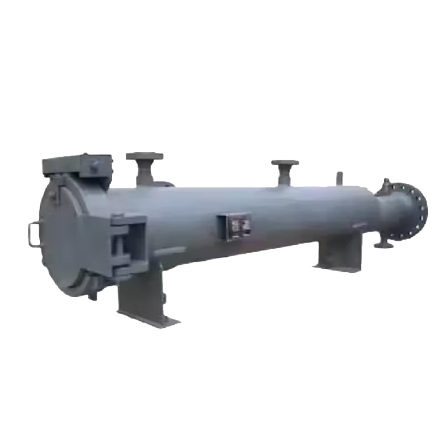
LR Scraper Launcher and Receiver
Scraper launchers and receivers are manufactured as barrel and valve assemblies installed at the start and end of a pipeline section, allowing pigs to be launched into and recovered from the line without stopping flow. They typically include the barrel, reducer, end closure, kicker and bypass connections, drain and vent connections, and instrument ports. They are primarily used for routine cleaning, batching, and inspection pigging programs.
Available options and configurations include launcher only, receiver only, or matched launcher and receiver packages, different barrel diameters and lengths, pressure classes, material and coating options, skid mounted assemblies, debris collection and drain provisions, and custom layouts built to the applicable design code on request.
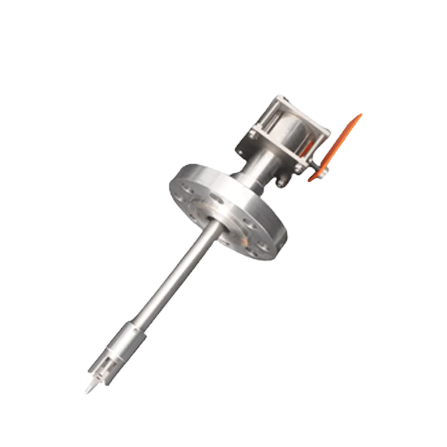
PS PIG Signalers
PIG signalers are manufactured to confirm when a pig has passed a point in the pipeline. They are primarily used for tracking pig progress, confirming launch and receipt, and reducing the risk of a stuck or lost pig. They are built for outdoor field conditions and give a clear visual indication on site, with signal outputs available for remote monitoring.
Optional configurations include mechanical trigger or non-intrusive designs, electronic versions with wired or wireless remote output, manual or automatic reset, battery or external power supply, hazardous area certification, weather and corrosion resistant housings, and custom connection sizes to suit specific pipeline requirements.
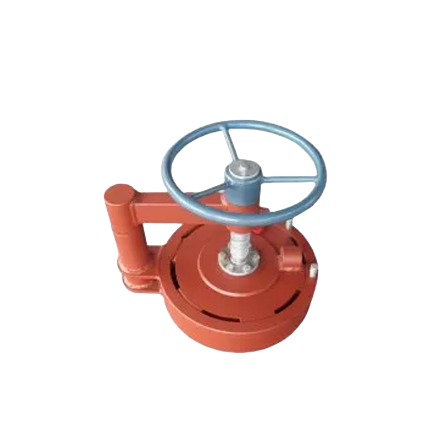
EC End Closures
End closures, also known as quick opening closures, are manufactured to seal the end of a pig launcher or receiver barrel and allow fast, safe access for loading and removing pigs. They are primarily used in regular pigging operations on pipelines where pigs are launched and received without stopping flow. A safety interlock arrangement prevents the door from being opened while the barrel is still under pressure.
Optional configurations include hinged or clamp ring designs, different pressure classes, seal and body material options for the service fluid, davit or support arms, key interlock systems, pressure indicators and vent connections, and custom sizes built to the applicable design code on request.